Fans in Everyday Life
In our daily lives, one of the most overlooked yet essential appliances is the humble fan. Whether it is a ceiling fan, table fan, pedestal fan, or exhaust fan, this simple device has been keeping us comfortable for decades. While air conditioners have become common in modern households, fans remain the most affordable, energy-efficient, and widely used cooling solution around the world.
A Brief History of Fans
Fans have a long history dating back to ancient civilizations. In earlier times, hand-held fans made of palm leaves or fabric were used by royals and common people alike. The invention of the electric fan in the 19th century revolutionized cooling technology. Today, fans are available in multiple types and designs, serving not just as cooling devices but also as decorative elements in homes and offices.
Types of Fans
Fans come in various forms, each serving a unique purpose:
-
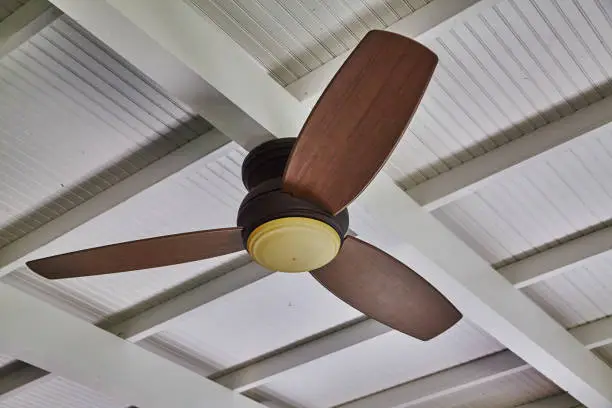
Ceiling Fans – The most common type, installed in almost every household. They circulate air effectively across the entire room and are available in modern, stylish designs.
-
Table Fans – Compact and portable, ideal for personal use. These fans are perfect for students or office workers who need directed airflow.
-
Pedestal Fans – Adjustable in height and easy to move, they provide strong airflow and are suitable for large spaces or gatherings.
-
Exhaust Fans – Used mainly in kitchens and bathrooms to remove smoke, heat, and unpleasant odors, maintaining ventilation and air quality.
-
Wall Fans – Space-saving and efficient, often seen in shops, restaurants, and small rooms.
Why Fans Are Still Essential
Even in the era of modern air conditioning, fans continue to hold great importance:
Cost-Effective: Fans are much cheaper to buy and maintain compared to air conditioners.
Energy-Efficient: A ceiling fan consumes only about 70–90 watts of electricity, whereas an air conditioner consumes several units per hour.
Eco-Friendly: Using fans reduces dependency on energy-hungry cooling systems, lowering carbon footprint.
All-Season Utility: Fans can be used not just in summer but also in winter. Many ceiling fans have a reverse mode that helps distribute warm air during colder months.
Fans as Decorative Elements
Modern fans are not just about functionality; they also add style to interiors. Designer ceiling fans come with elegant blades, remote controls, LED lights, and even smart features. This makes them an integral part of home décor, blending comfort with aesthetics.
Maintenance and Care
To keep fans running efficiently, regular maintenance is essential. Dusting the blades, oiling the motor, and checking wiring ensures longer life and smooth functioning. A well-maintained fan can last for many years with minimal issues.
The Future of Fans
Technology has transformed fans into smarter appliances. Today’s fans come with remote controls, IoT connectivity, and energy-saving BLDC motors. These advancements not only enhance convenience but also reduce electricity bills significantly. With growing focus on sustainability, energy-efficient fans are becoming the preferred choice for consumers.
Conclusion
The fan may seem like a simple household device, but its role in providing comfort, saving energy, and improving air circulation cannot be ignored. Affordable, reliable, and versatile, fans remain an inseparable part of homes, offices, and industries. While air conditioning may symbolize luxury, fans represent practicality, sustainability, and everyday comfort.
In short, the fan is not just a cooling appliance – it is a timeless companion that continues to make our lives easier, healthier, and more comfortable.